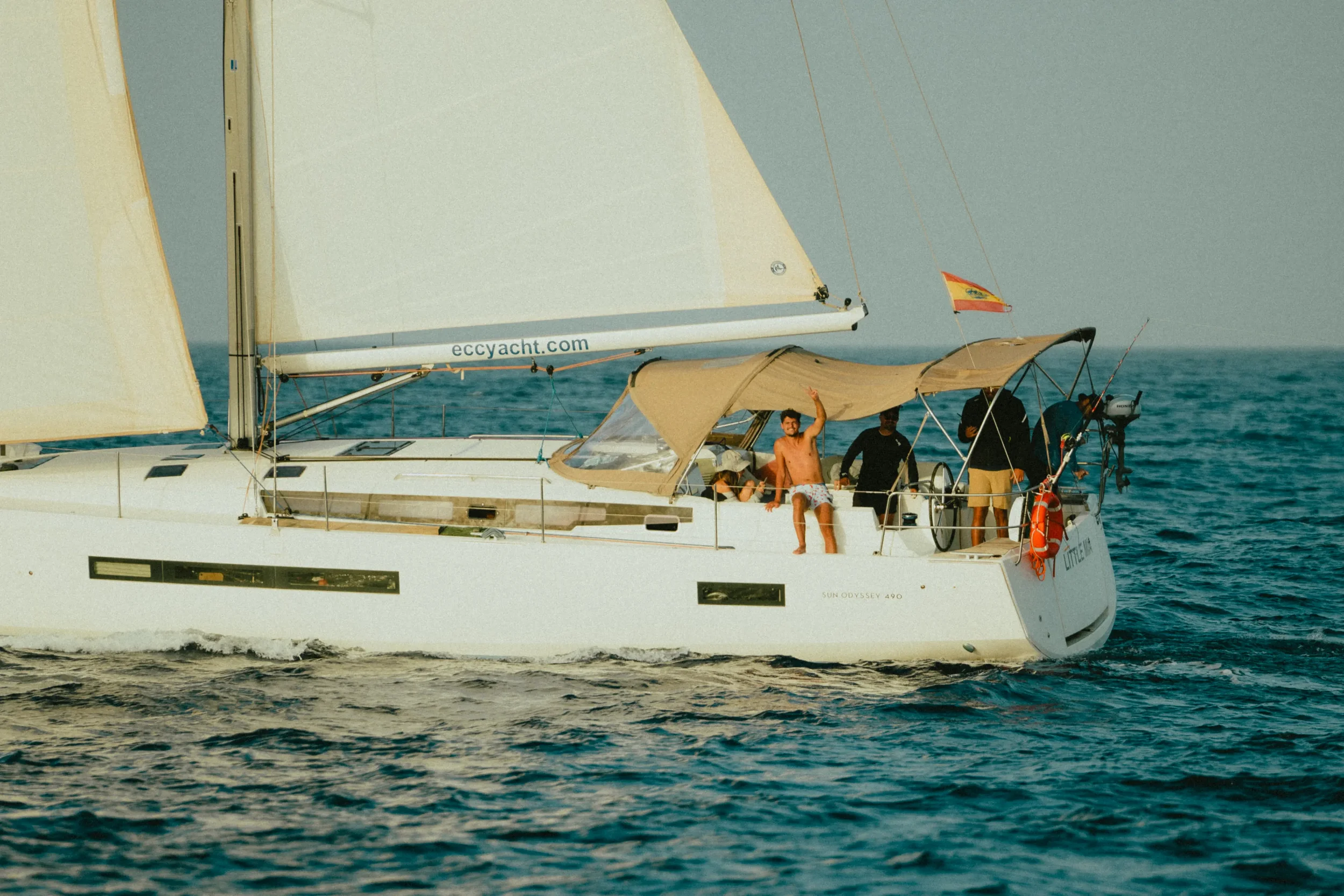
What Are the Alisios Winds? The Story Behind Sailing Alisios.
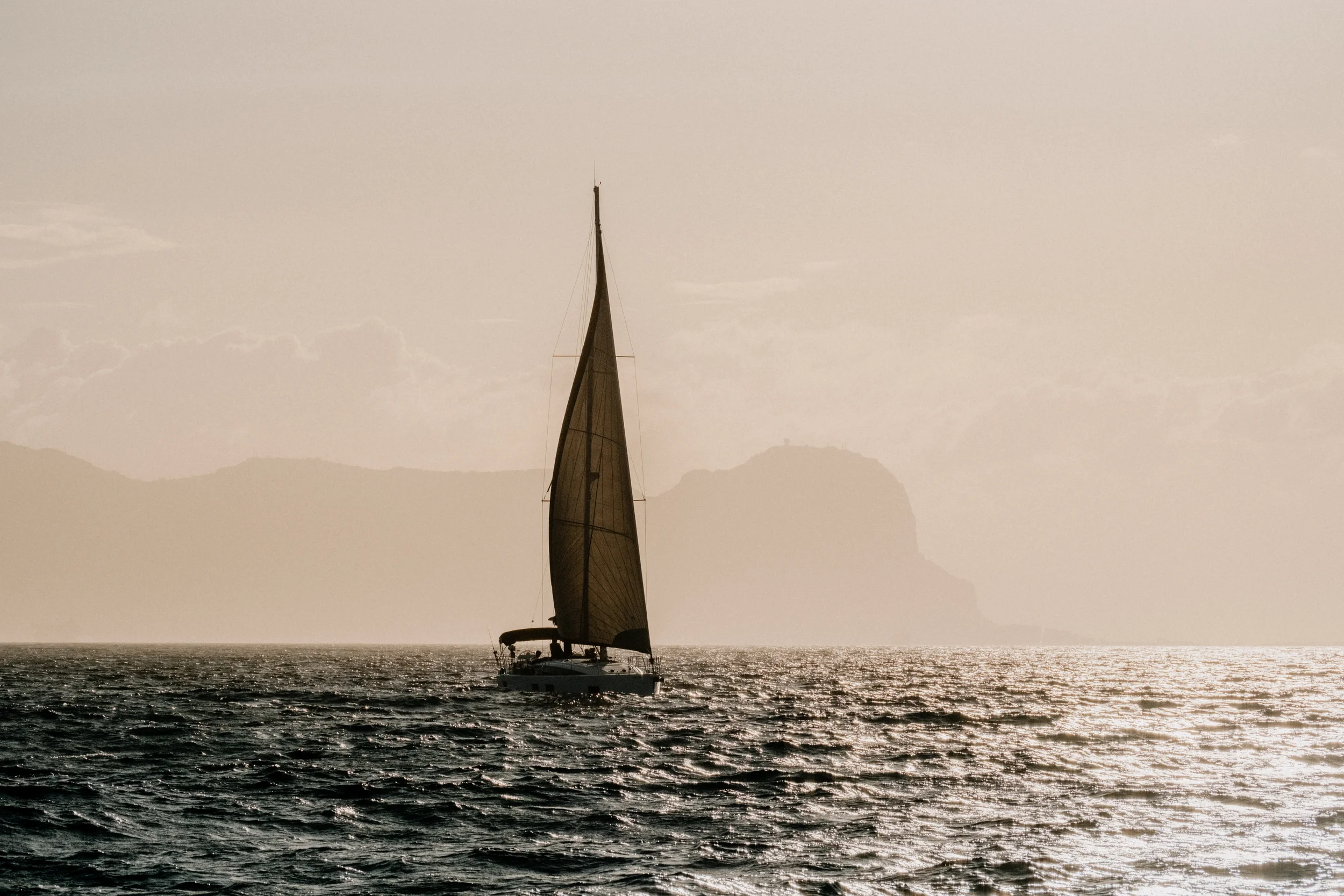
What IS the alisios wind?
There is a wind in the Atlantic that has been moving ships westward for centuries.
It comes out of the northeast, steady and reliable, bending south along the African coast before spreading wide across the ocean toward the Caribbean. Sailors once called it the route of discovery. Scientists call it a subtropical high-pressure system. In Spanish, it has a simpler name: "the Alísios (also written Alisios or trade winds)".
You don’t really notice it at first. It’s not dramatic. But out here, it’s always there, shaping where you go, and when you leave.
Our captain, Joaquin, knows this wind the way most people know their neighbourhood.
He grew up between Mallorca and the Canary Islands, on a boat from the age of five, in a family where sailing wasn’t a sport or a holiday, but rather everyday life. His parents have run a sailing charter company for over thirty years. Joaquin didn’t so much learn to sail as grow up inside it.
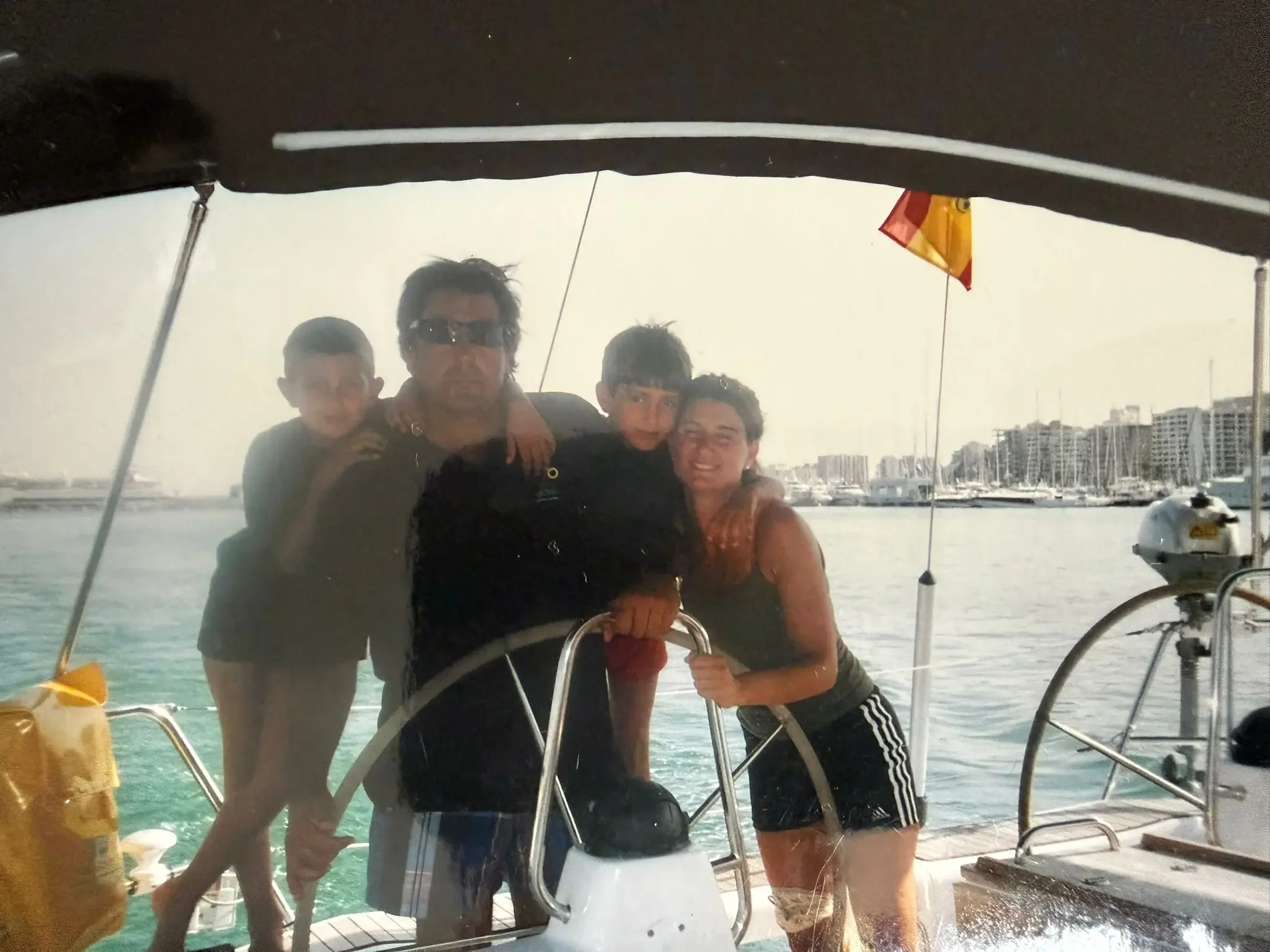
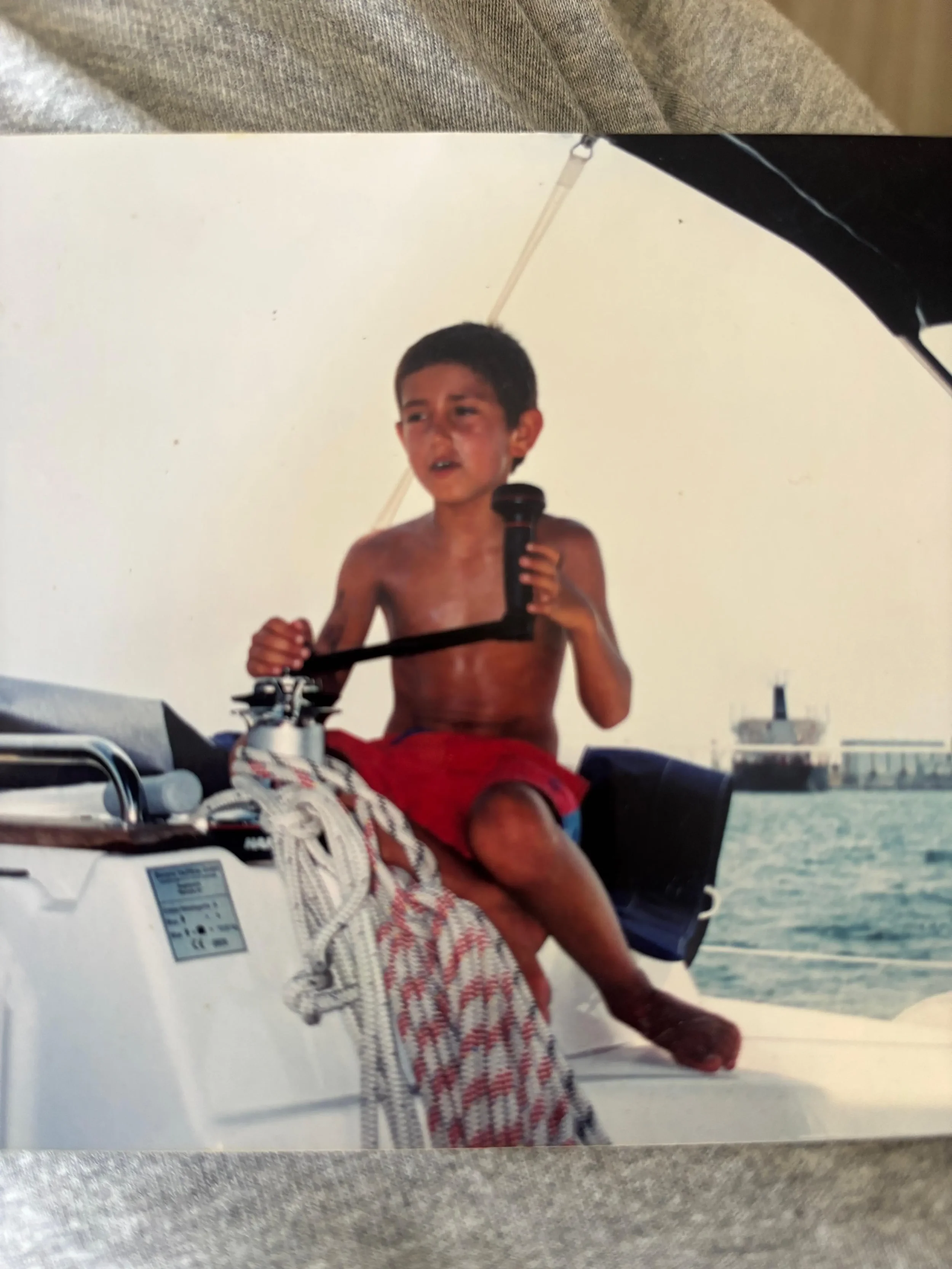
“It wasn’t only sailing. It was fixing things, understanding how the boat works, how things get repaired.”
The education was practical and constant. Rigging, engines, the logic of weather systems. Why you do things a certain way. Why some things can’t wait. The kind of knowledge you only get by being there long enough.
The Alísios were part of that. Not something to study, just something you worked with.
For a long time, the Atlantic crossings were simply part of the rhythm. Boats needed to move between seasons, and this was the route. Joaquin did them the way his family always had; without much thought, just another stretch of water to cover.
Then other people started coming along.
At first it was friends. Then friends of friends. People who had never been offshore before. On the first night, there’s usually a moment — quiet, somewhere between sunset and full dark — when the coastline disappears and someone asks how far out you actually are.
That’s when it starts to shift.
"Seeing how much they enjoyed it”, Joaquin says, “seeing people who wanted to come back; that made me think about it. About showing people what sailing actually is.”
What people responded to wasn’t a polished version of sailing. It was the real thing. Long stretches of open water. Plans that changed. Small routines that formed on their own. Time that moved differently.
It didn’t need to be built. It was already working.
— ✦ —
The first real trip didn’t look like much on paper.
A loose two-week crossing. A few friends. A couple of paying guests. Morocco on the route. Open water in between. No real structure beyond getting from one place to another.
It wasn’t smooth. The forecast changed. Things needed fixing. Some days were slower than expected, others longer. But by the end of it, no one was ready for it to be over.
That was the beginning of Sailing Alisios.
Not a business plan. More a continuation of something that had already proven itself. The same crossings, the same approach, just opened up to people who were curious enough to step into it.
Now the routes move through the Canary and Balearic Islands. The groups stay small. The structure stays loose. The days are still shaped by wind and weather rather than a fixed plan.
No sailing experience is required. The only thing that really matters is being open to it.
“They give people time,” Joaquin says. “Time to think. Time to disconnect from everything else. Even if it’s just a short break, it’s something.”
You see it happen over the course of a week. People settle in. They start to understand how the boat moves, how the days unfold, how little you actually need out there.
Since that first crossing, the routes have expanded and the crew has changed, but the core of it hasn’t.
Move slowly. Pay attention. Follow what’s in front of you. Bring the right people along.
The Alísios have been doing exactly that for centuries.
Sailing Alisios is doing the same.